Watch Noa close the books live at FATE NYC, Booth 1113. Save your slot

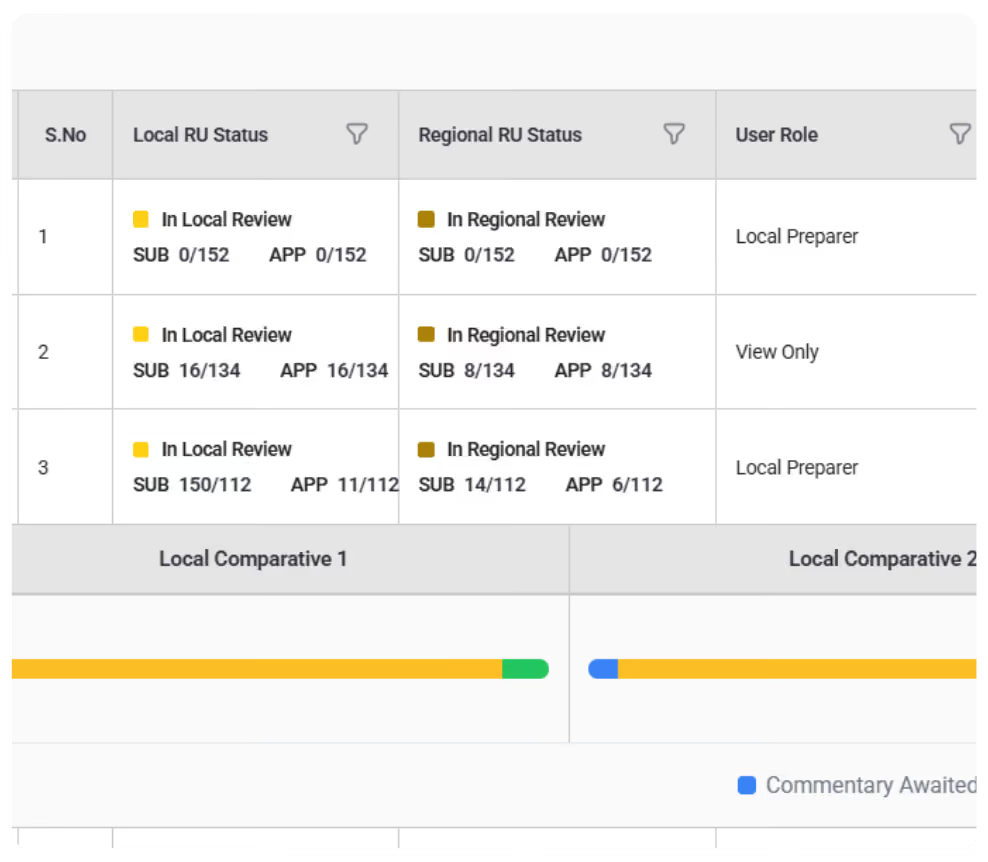
How Noa AI Makes Flux Analysis Faster, Clearer & Lighter.
Consarc’s Noa AI continuously monitors balances and transactional activity as data flows from your ERP. Prepare variance insights before month-end pressure begins.
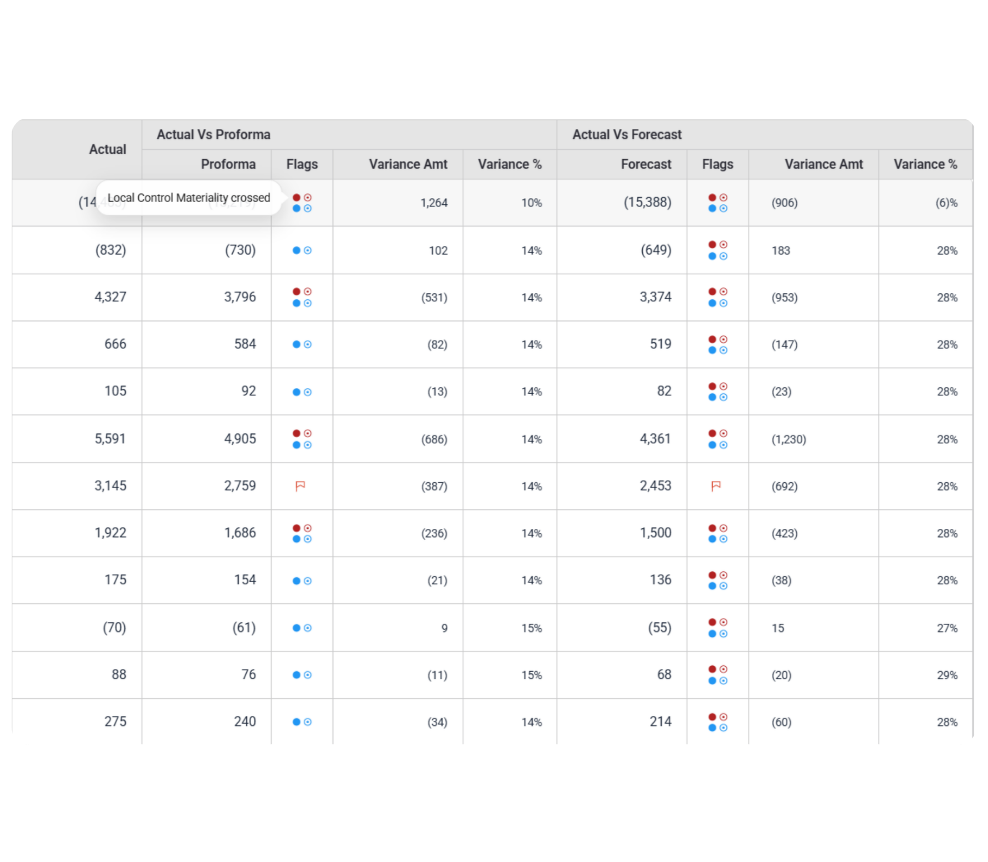
No surprise spikes. Just the signals that matter.
Variances Identified the Moment They Matter.
Noa AI agents auto‑flag movements based on your materiality thresholds, so the right variances surface early and not at the end of the month.
Your team gets clarity, not guesswork.
Explanations Built With Real Context.
Instead of static notes, Noa agents generate variance explanations enriched with real drivers, including:

Sub‑ledger details
Customer/vendor drivers.
Macroeconomic indicators.
Historical behavior patterns.
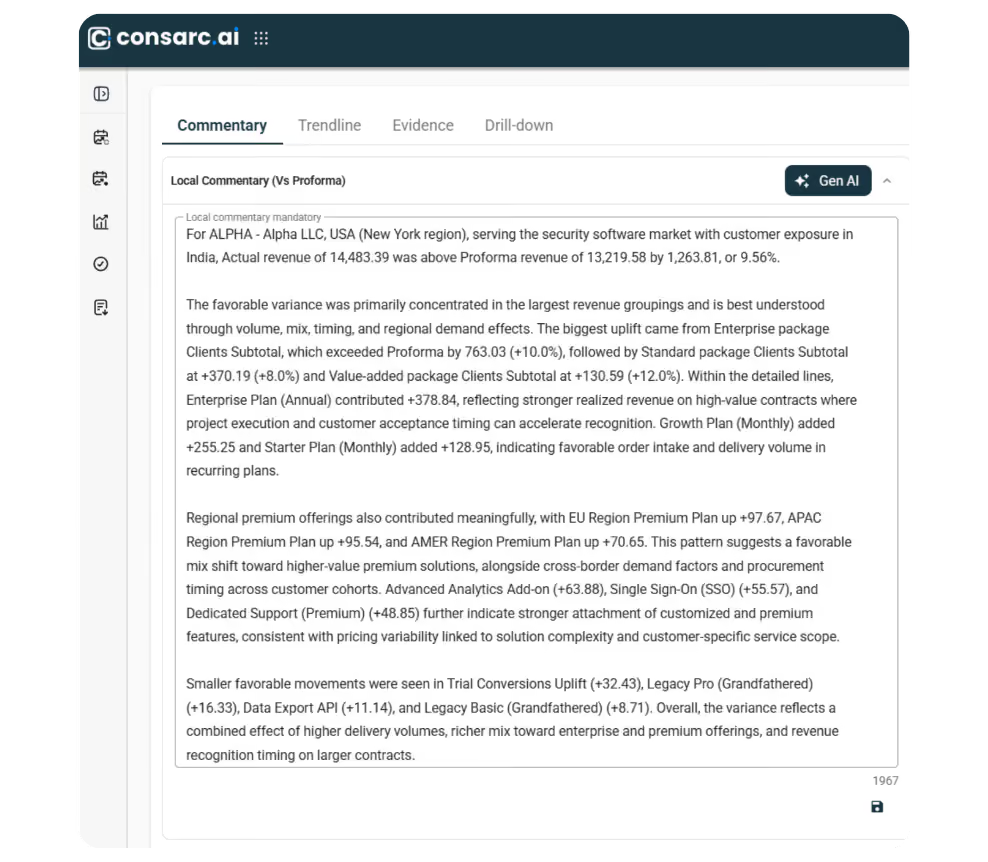
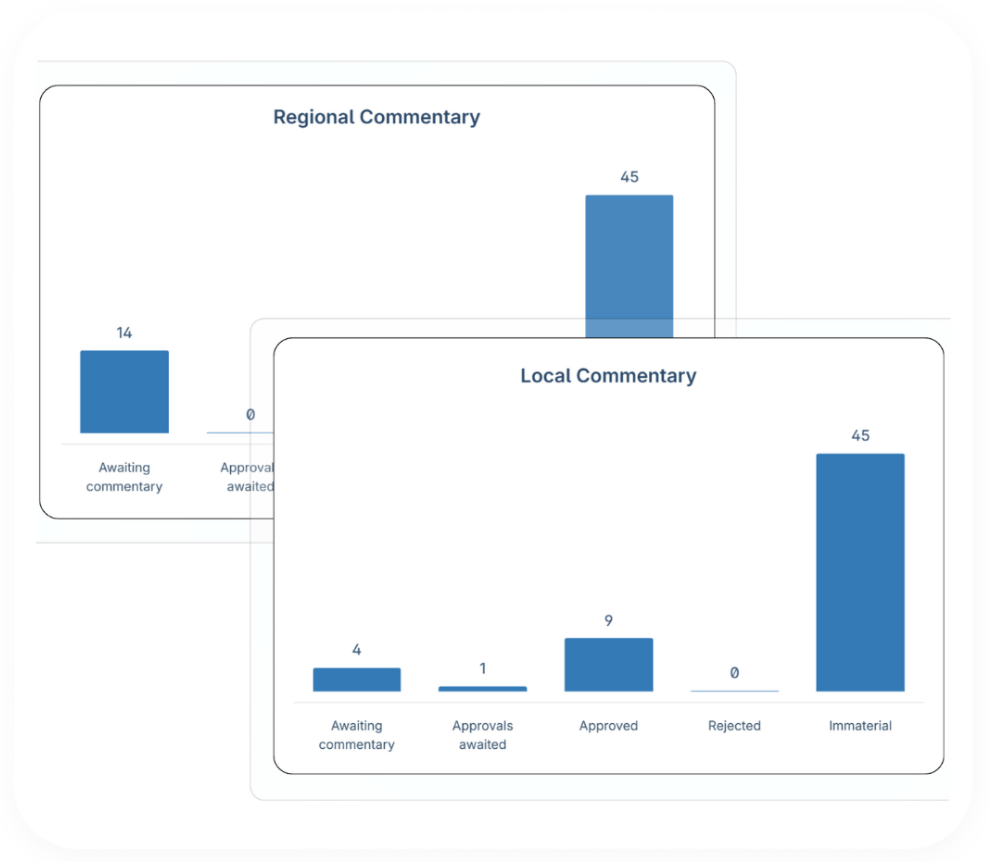
Insights arrive presentation-ready.
Automated Presentations With Insights, Not Just Numbers.
Flux decks prepare themselves with metrics, KPIs, commentary, and storylines included.
Stakeholder-ready outputs.
No manual assembly or slide stitching.
A single view of how performance shifts and why.
Three‑Way Comparisons That Reveal the Full Picture.
Compare performance across:
Budget vs. actuals.
Forecast vs. actuals.
Multi‑period movement.
All in one place.
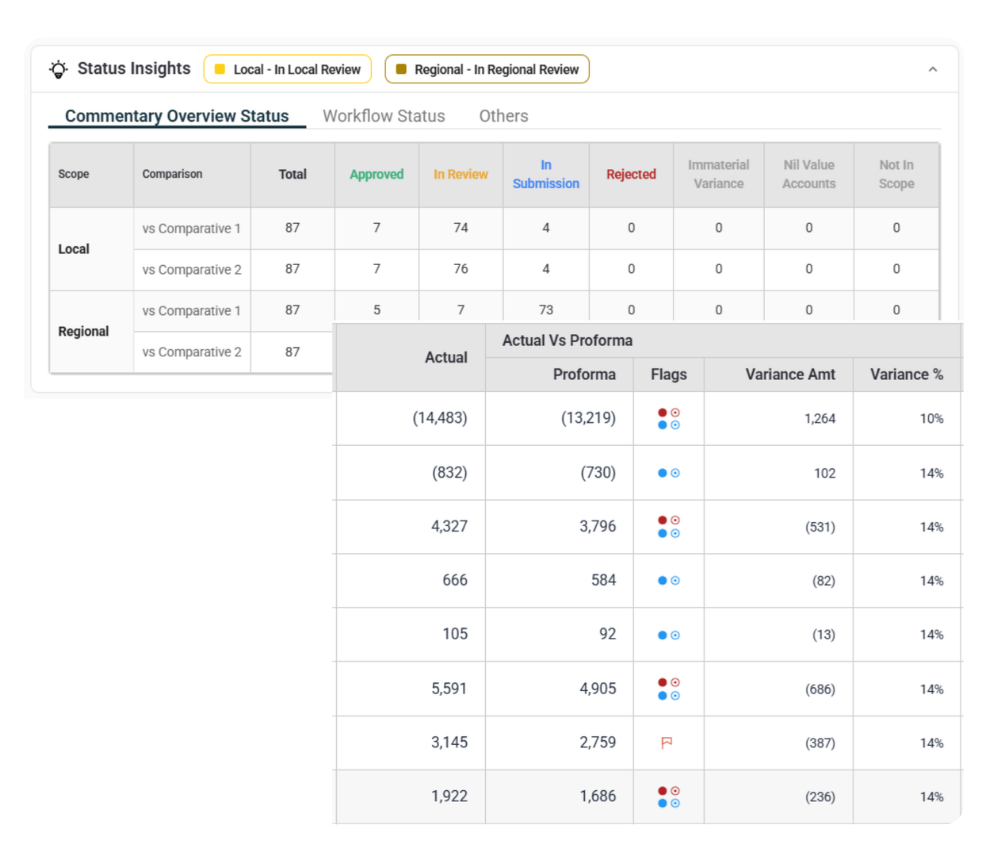

Attention goes exactly where it’s needed.
Materiality Rules Tailored to Your Reality.
Set thresholds at the GL, entity, or organizational level. Noa AI use them to decide what surfaces and what stays silent.
No stitching. No manual aggregation.
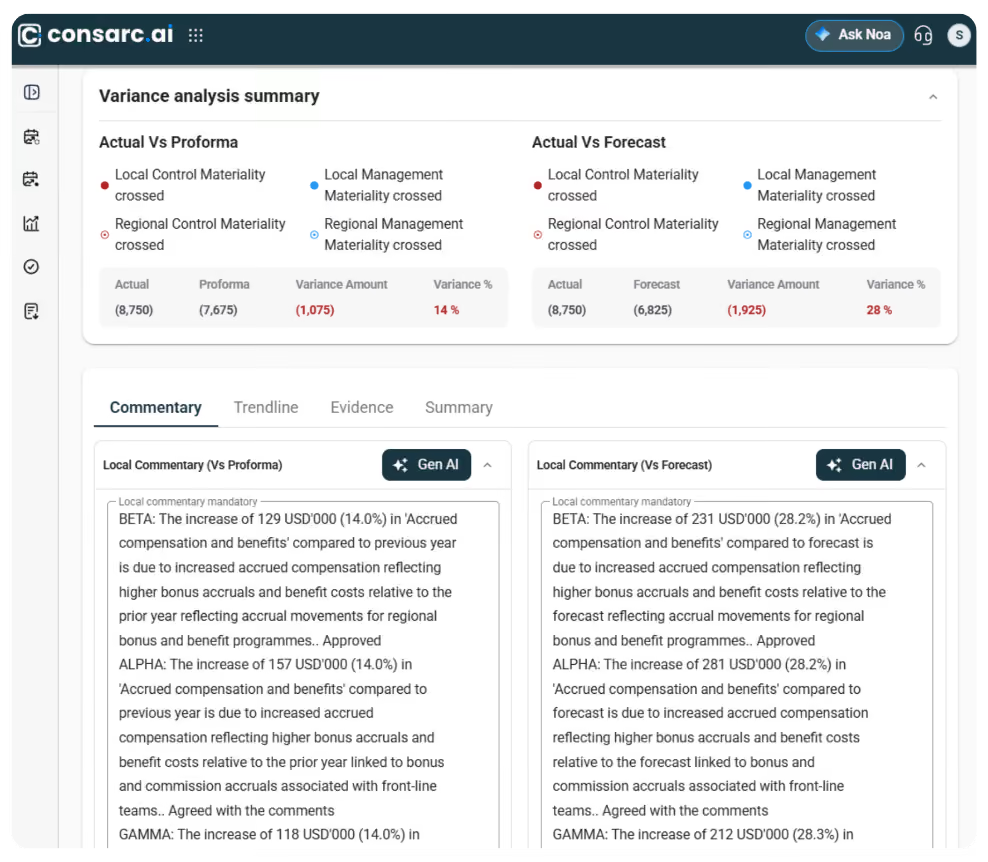
Explanations Rolled Up into a Coherent Narrative.
Entity-level insights roll up automatically into group-level summaries, giving CFOs:
A unified storyline.
A cleaner signal.
A narrative ready for strategy discussions.
Why Consarc Flux
Feels Different.
Workflows That Move the Work Forward
Configurable, multi‑level approvals designed for speed and accuracy.
Reports That Generate Themselves
Real‑time data, accurate outputs, no waiting.
Collaboration That Keeps Teams Aligned
Built‑in chat and tasking, plus AI insights for distributed teams.
Used by finance teams operating at enterprise scale.
What Finance Teams Are Seeing in Practice.
FAQ
What is flux analysis in accounting?


Flux analysis, also known as variance analysis or fluctuation analysis, is the process of explaining material changes in account balances between periods. Controllers and finance teams use it to understand what’s driving movements in revenue, expenses, and balance sheet accounts, and to prepare clear commentary for auditors, board members, and leadership. It is a standard part of the financial close process for any company that needs to produce accurate and explainable financial statements.
What is the difference between flux analysis and variance analysis?
The terms are often used interchangeably. Flux analysis usually refers to explaining period‑over‑period changes in balance sheet accounts, while variance analysis focuses on budget versus actual comparisons in P&L accounts. In practice, finance teams do both as part of the same close workflow. Consarc brings them together into a single continuous process by flagging movements, generating explanations, and rolling up narratives across entities.
How do you automate flux analysis?
Automating flux analysis starts with connecting your ERP data, setting materiality thresholds by GL account or entity, and generating AI‑written commentary with help from sub‑ledger details and historical patterns. The real difference between basic automation and AI‑driven automation comes down to context. A rule‑based tool can flag a variance, but it can’t truly explain what caused it. An AI agent with accounting logic can. Consarcs Noa agents handle this continuously throughout the month, not just at period end, so teams always have up‑to‑date explanations instead of scrambling during close.
What does flux analysis software do?
Flux analysis software tracks changes in account balances, flags material variances based on defined thresholds, generates draft commentary with supporting context, and produces reports that are ready to share with stakeholders. The best solutions remove the manual effort of chasing down data and writing explanations during close, so Controllers can focus on reviewing and approving instead of starting from scratch. Consarc takes this a step further by running the process continuously, so variance explanations are already prepared before the pressure of close begins.
.png)
Consarc.ai Inc
#447 Broadway, New York, NY 10013
#447 Broadway, New York, NY 10013